My Story
How I Became a "Pied Piper" Coder on HBO's Silicon Valley
I didn't start out trying to be a coder. I was just trying to survive—and somehow ended up as a "Pied Piper coder" on HBO's Silicon Valley.
I didn't start out trying to be a coder or anything fancy. My journey into tech started in a way even I couldn't predict. I was broke, fresh off a trip to Australia, and in serious need of cash to pay off a motorcycle loan. I wasn't looking to break into coding—I was just trying to survive.
That's when I found out you could make money as a background actor. Easy money, I thought. Show up, wear a suit, look fancy, and stand around pretending to be important. It sounded like a dream job. I figured it would be a fun way to get some cash and meet some interesting people. I had no idea one random gig would change everything.
It was an early morning call time, 7am, for a ballroom scene. Red carpet, cameras, celebrities—or at least people pretending to be celebrities. I'm standing in line for wardrobe, waiting for someone to tell me my suit is good enough. While I'm doing that, a production assistant pops out of a trailer looking panicked because, get this, the camera operator didn't show up.
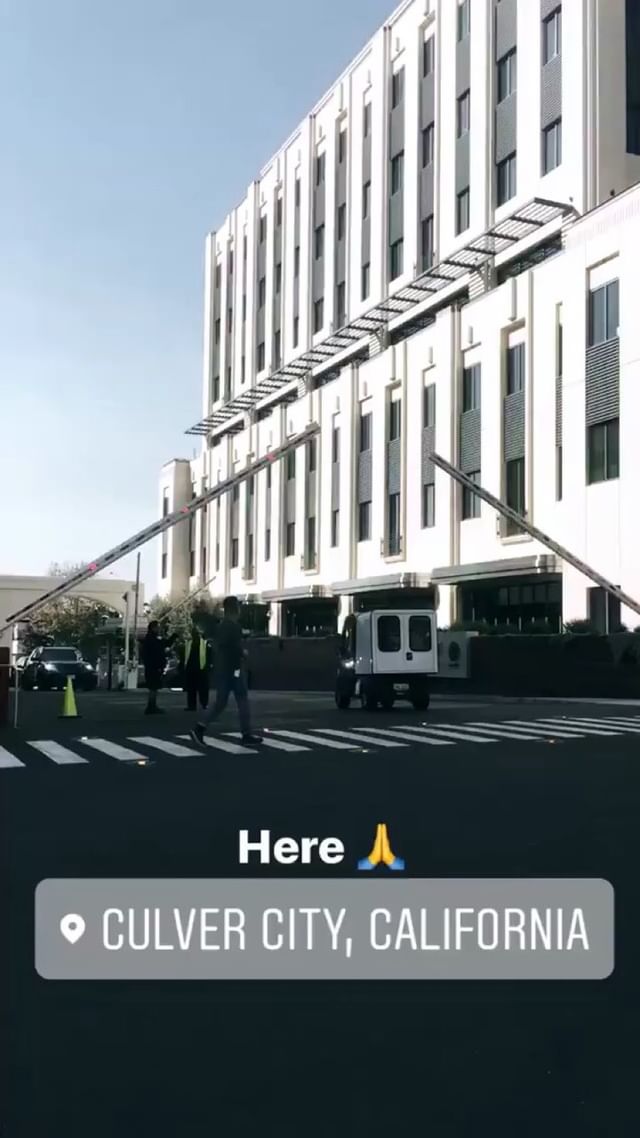
So here I am, just a dude in a suit trying to get a paycheck, and I casually joke, "Hey, I'll be your camera guy." The joke lands. Next thing I know, they're looking at each other like, "Shoot, let's go with it."
They rush me over to hair and makeup, and I'm thinking, "What did I just get myself into?" But there's no turning back now. Makeup is slapping powder on my face, someone hands me a camera with a strap, and before I know it I'm thrown into the middle of this chaotic ballroom with real lights, real cameras, and maybe real celebrities. I couldn't tell. The whole thing felt surreal.
Then the director, in full command of the room, locks eyes on me. He points and asks, "What's your name?" I'm stuttering, "J-j-Jacob," thinking I'm about to get kicked out. Instead, he snaps his fingers and says, "Make him a news reporter. Put him next to the red carpet."
Just like that, I go from background nobody to standing in front of the camera, mic in hand, ready to "interview" fake celebrities. I'm shaking, sweating, trying to remember to hold the mic steady while the camera inches closer to my face. And then it happens—action. Lights, camera, rolling. I'm pretending to be a reporter on the red carpet for a scene I didn't even know I was going to be in. Somehow, I made it through without totally embarrassing myself.
I figured that was the end of it. Just a weird, lucky day in the life of a broke guy trying to make some money. But a few minutes later, the director finds me again, back in the far corner with the background actors (where I thought I could hide with my donut in hand). He asks if I'm available next week because he "likes my look." Apparently, I looked nerdy enough for a role he had in mind for some tech show.
He literally said, "You look nerdy." Then: "I'm shooting a show about coding, and I don't know a thing about it." Funny thing is, I actually knew a little about tech—just enough to not sound totally clueless. So I said, "Yeah, I like tech too." He tells his assistant to get my number. Boom. I'm booked for another gig.
Turns out, the show was Silicon Valley.
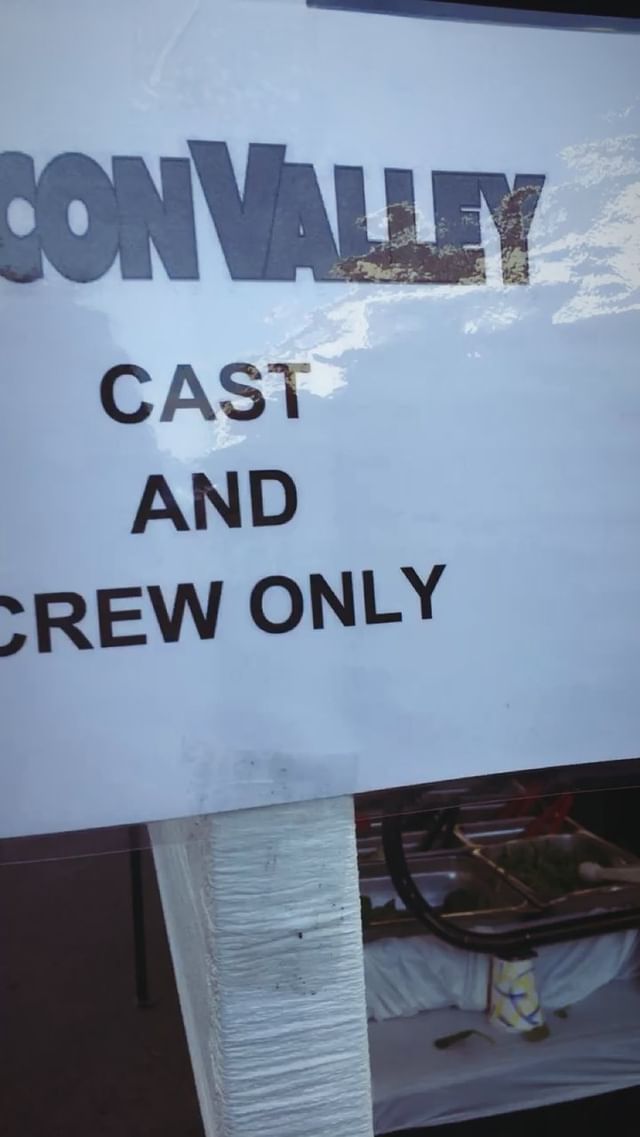
A few days later, I'm on set at Sony Studios as an official stand-in for the show. For those who don't know, that means I got to pretend to be the main characters while they set up shots. I even got a custom role: a Pied Piper coder.
To be clear, I wasn't some big-time engineer on the show. My job was to sit there, pretend to code, and look like I knew what I was doing. But the cool part was that I wasn't just mashing nonsense keys. If you look closely, I took a gamer's stance—mouse in one hand, keyboard in the other. PC gamers know what I'm talking about. That muscle memory from playing games made it natural to move like a real developer. That was my little claim to fame as a "coder" on Silicon Valley.
The props guy was cool. He'd hand me brand new iPhones and Beats headphones for scenes, and I'd walk around set pretending to be on important calls or wearing the latest tech gear. At one point, I even got to stand in for the character Jeff because we had a similar look.

Being on that set gave me a taste of what it was like to live in a world built around tech—even if it was the Hollywood version. I didn't know it at the time, but those days on set would inspire me to actually pursue a career in tech and eventually AI. I wasn't an Ivy League grad. I didn't have a resume full of big-name startups. I didn't even go to college. But standing there as a "Pied Piper coder," I realized something: I could make this my thing.

From sets to real-world builds
Today, the work happens in builder spaces, hackathons, and AI labs instead of sound stages—but it's the same energy of long days, late nights, and shipping what you imagined.
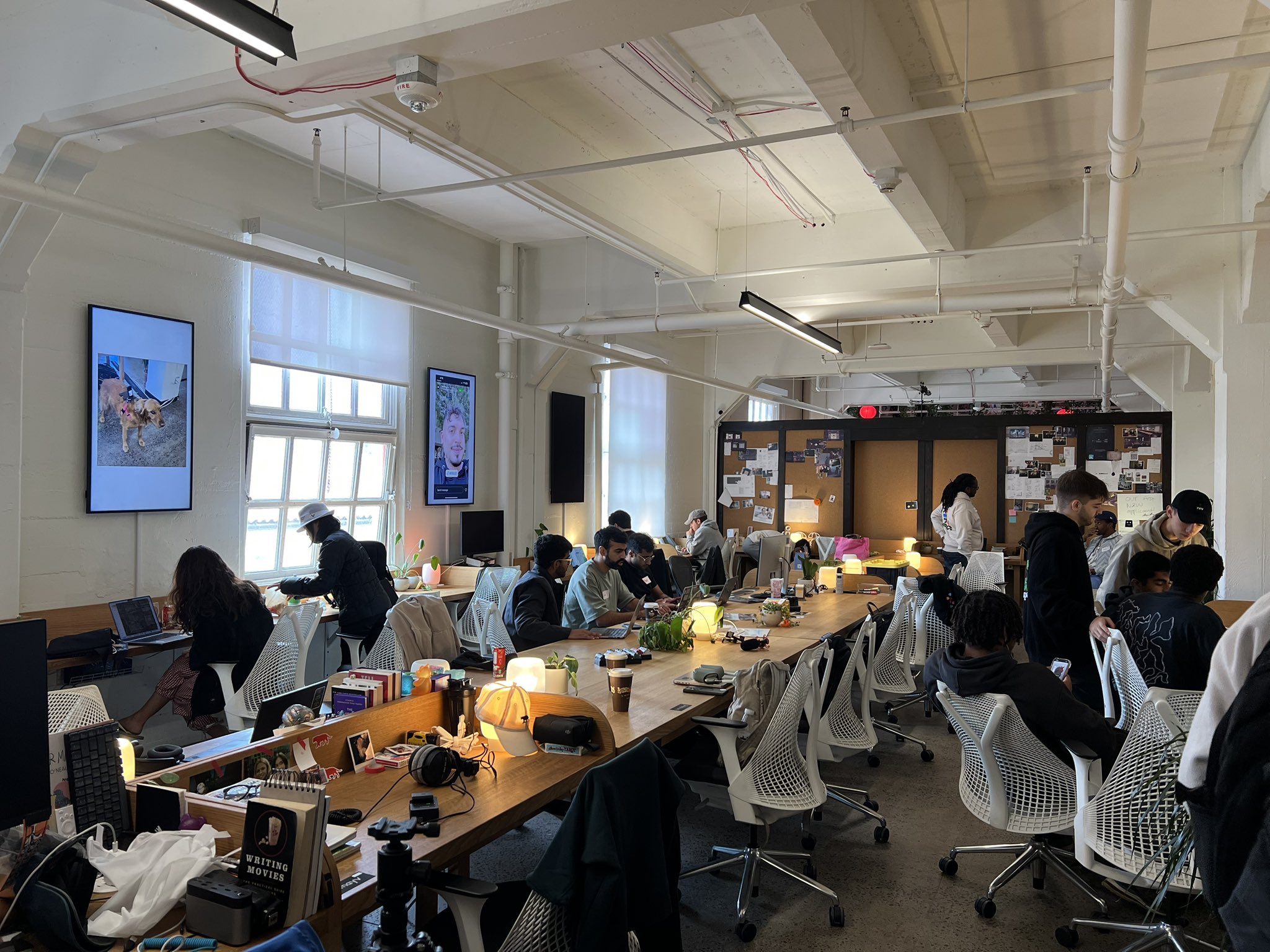

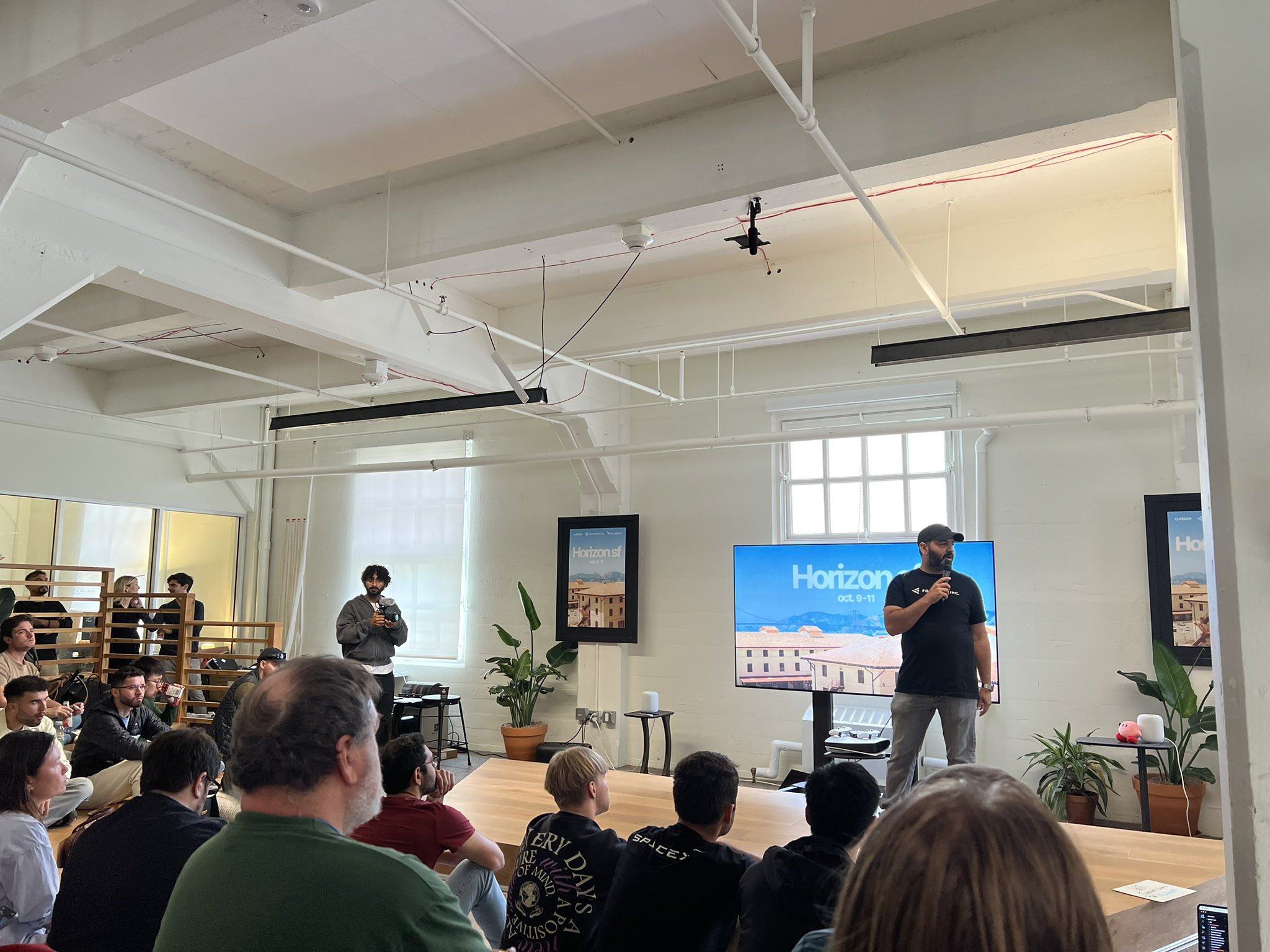
It wasn't about where I went to school or how many startup exits I had. It was about showing up, even when I had no clue what I was doing, and figuring it out along the way.
So if you see my bio somewhere that says I was a "Pied Piper coder," know that I earned it in the most unexpected, ridiculous way possible—and that experience is part of what pushed me to build a real career as an AI consultant working with the people shaping technology today.